This is a piece originally written for a national security audience at Frontiers. Although I think the ceiling of war is much, much higher than autopilot quadcopters, it's also important to understand how much AI is already lifting the floor, and just how vulnerable the world is to accessible…
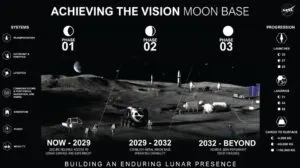
Here is SpacePolicyOnline.com’s list of space policy events for the week of September 6-12, 2026 and any insight we can offer about them. The House and Senate are in recess […]
Apple’s Mac computers are designed to run Apple’s macOS software. The company doesn’t make it easy for users to install other operating systems. But the folks at the Asahi Linux project have been reverse engineering Apple’s M-series chips since they first hit the streets, and while the latest Apple…
Amazon’s Fire Tablets ship with a modified version of Android called Fire OS. That means that while the underlying operating system is based on Android, they have a custom user interface, app store, and other features that are tightly tied to Amazon’s apps and services. Folks have been hacking…
Les 16 et 17 septembre 2026, Scaleup Fest prévoit de réunir à Budapest environ 250 fondateurs, dirigeants et investisseurs. Consacré au développement des entreprises technologiques d’Europe centrale et du Sud-Est, l’événement associe retours d’expérience, ateliers et rencontres autour de…
Rain’s $1 Million Hack, TabaPay Is Buying A Bank, Belgium Calls Out Wise, 153 Million IDs Compromised In Hack, Bolt Says It’s Raising “Up To” $27 Million
Jakub Pachocki reflects on increasingly capable AI and the challenge of keeping it aligned. He calls for stronger safeguards and international coordination.
Inside OpenAI, coding agents are reshaping AI research. Explore early data on agent usage, experiment velocity, task complexity, and research acceleration.
Princeton researchers have tested an AI system that can monitor and control fusion plasma in milliseconds, reacting far faster than a human operator. In one experiment, it predicted a damaging instability about 200 milliseconds before it appeared and adjusted the plasma to stop it from forming.
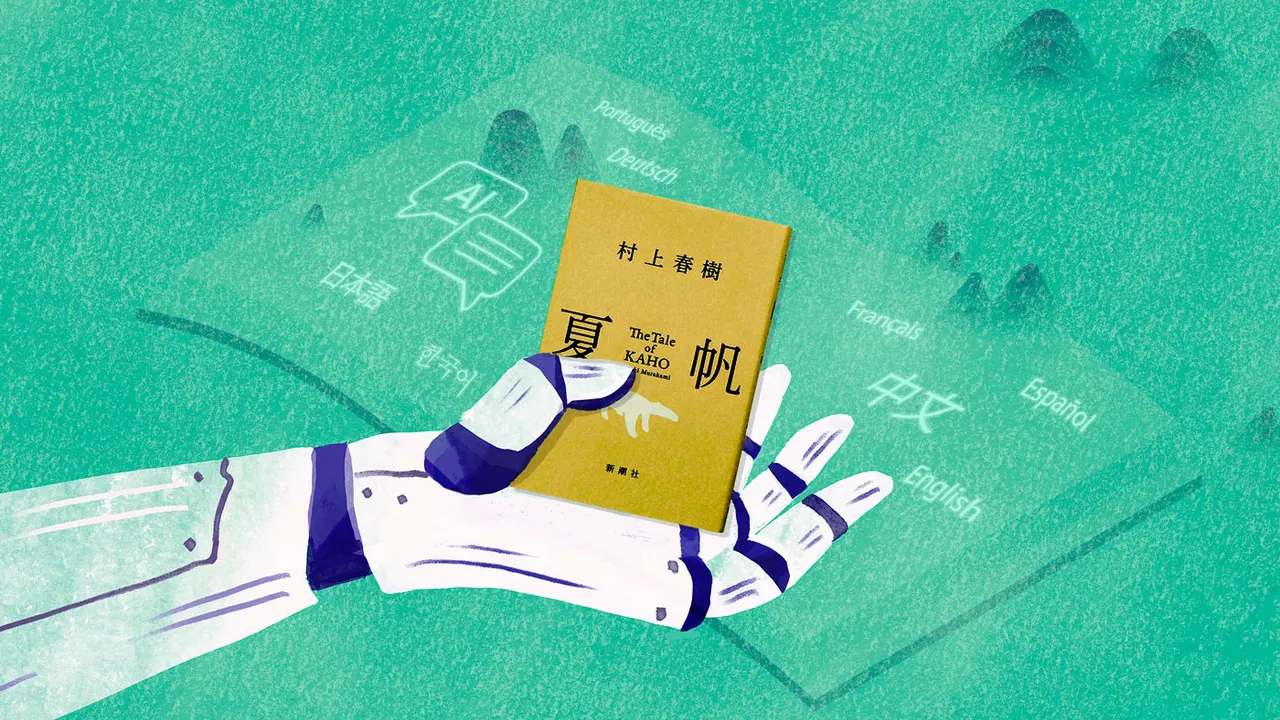
A literature undergrad’s AI tool made a near-perfect Mandarin version of Haruki Murakami’s new novel in just four hours. What might this mean for translators and copyright holders?